The Complete Guide to Kruger National Park, South Africa
Plan your Kruger National Park safari in South Africa. Compare self-drive and guided safaris, discover the best seasons, where to stay, wildlife and practical itineraries.
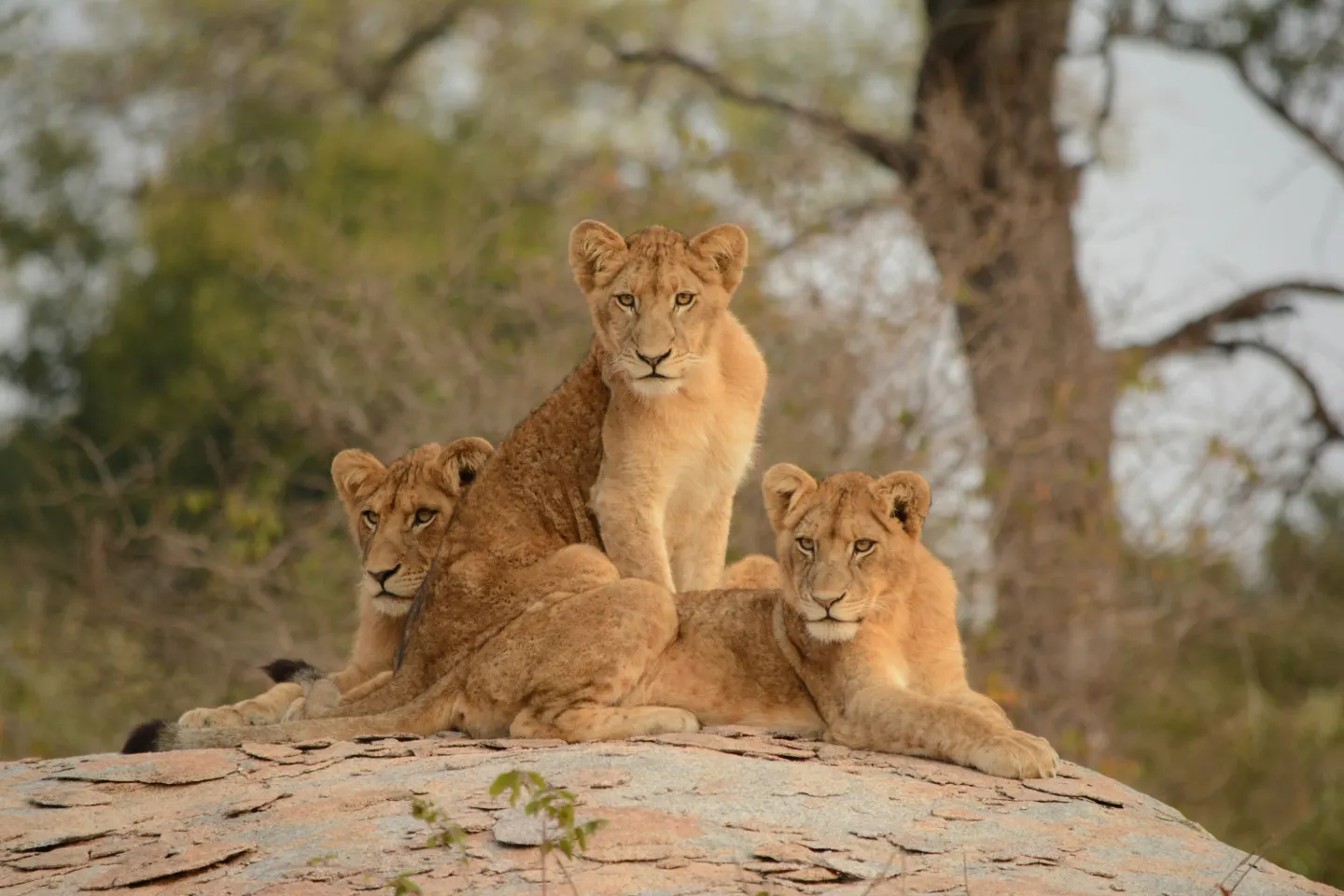
From quiet roads through mopane woodland to some of Africa's most celebrated wildlife encounters, Kruger National Park offers an exceptional introduction to the continent's wilderness. This guide explores its regions, seasons, accommodation and the different ways to experience a South African safari.
Discovering South Africa's Great Wilderness
Kruger National Park occupies a special place in African travel. Stretching across much of South Africa's north-eastern border, it protects an immense landscape of savanna, woodland, river systems and open grassland. Elephants move between feeding areas, giraffes browse among the trees and predators occupy habitats shaped by generations of natural change.
What makes Kruger particularly distinctive is the range of ways it can be explored. Visitors can arrange professionally guided safaris, stay at comfortable lodges, travel independently along a network of roads or combine several approaches in one journey.
For many South Africans, Kruger is associated with the freedom of setting off at first light, travelling slowly along a quiet road and discovering wildlife without knowing what might appear around the next bend. For international travellers, it offers a comparatively accessible introduction to the remarkable diversity of the African bush.
Yet Kruger is far too large and varied to be understood as one uniform safari destination. The southern reaches are different from the mopane-dominated central and northern areas, while the far north offers landscapes that feel considerably more remote.
Planning a successful visit involves choosing a region, deciding how much time to allow and understanding the differences between the national park itself and the private reserves situated along parts of its western boundary.
Understanding Kruger's Different Regions
Southern Kruger: Rivers, Woodland and Wildlife
The southern part of Kruger is among the most popular areas for first-time visitors. Its network of roads, rest camps and river systems makes it relatively straightforward to explore, while the varied habitats support a broad range of wildlife.
Skukuza, Lower Sabie, Crocodile Bridge and Berg-en-Dal are familiar names to visitors planning a southern itinerary, although each offers a different geographical setting.
The region is particularly rewarding for those hoping to observe large mammals and predators, but sightings depend on conditions, animal movements and chance.
Because southern Kruger is popular, roads around well-known sightings can become busy during school holidays and other peak periods. Travelling patiently and exploring less crowded routes can be just as rewarding as concentrating on the most famous roads.
Central Kruger: Open Country and Predators
Central Kruger includes extensive grasslands and woodland around areas such as Satara and Olifants.
The relatively open habitats around Satara have long attracted wildlife enthusiasts interested in predators and large herbivores. Olifants is known for its elevated setting and broad views across the surrounding river landscape.
This part of the park suits travellers who appreciate expansive scenery and want to spend several nights exploring one region rather than travelling constantly between accommodation stops.
Northern Kruger: A Different Character
Further north, the landscape becomes increasingly influenced by mopane woodland, river valleys and distinctive geological features.
Areas around Letaba, Mopani, Shingwedzi and Punda Maria provide a different perspective on Kruger, often with a quieter atmosphere than the more frequently visited southern camps.
Elephants are an important feature of the northern landscape, while birds and smaller wildlife species reward attentive observation.
The north is not necessarily the best choice for travellers whose only priority is accumulating famous predator sightings. Its appeal lies in the broader wilderness experience and the pleasure of exploring less familiar habitats.
Far Northern Kruger: Pafuri and the Luvuvhu Region
The far north offers some of Kruger's most striking scenery, particularly around the Luvuvhu and Limpopo river systems.
Riverine forest, baobabs, fever trees and rocky landscapes create a setting that contrasts sharply with the open savanna further south.
This region is especially attractive to birdwatchers and repeat visitors interested in the park's ecological diversity. Its remoteness means that accommodation and travel arrangements should be planned carefully.
When Is the Best Time to Visit Kruger?
Kruger can be visited throughout the year, with seasonal changes producing different advantages.
May to August: Cool, Dry-Season Wildlife Viewing
Winter is often considered one of the best periods for wildlife viewing. Rainfall is generally limited, vegetation becomes thinner and animals may concentrate around reliable water sources.
Morning and evening temperatures can be cold, especially on open safari vehicles. Travellers should pack warm clothing even when the forecast promises comfortable afternoons.
The dry-season landscape may appear less lush than summer, but the clearer visibility can be valuable for observing animals.
September to October: Warmer and Increasingly Dry
Spring brings rising temperatures, with wildlife still influenced by the availability of water and grazing.
September is often attractive for visitors seeking dry conditions without the most intense summer heat.
By October, temperatures can become high and the first seasonal showers may begin to transform parts of the landscape.
November to March: Summer Rain and Green Landscapes
Summer brings thunderstorms, warmer nights and renewed vegetation. Rivers and seasonal watercourses may respond to rainfall, while animals disperse into areas with fresh grazing.
The green season is attractive for photography, birdwatching and visitors interested in a lush landscape. Migratory birds arrive, and many animals raise their young during this productive period.
Wildlife can be more difficult to spot in dense vegetation, however, and heavy rain may affect roads or access to particular areas.
April: A Transition Towards Winter
April often offers greener scenery with gradually cooling temperatures. It can be a particularly pleasant time for travellers who value landscapes and comfortable weather as much as wildlife visibility.
No single month is best for everyone. Winter may offer clearer game-viewing conditions, while summer provides a different ecological experience and a particularly vibrant landscape.
Self-Drive Safari or Guided Safari?
One of the most important decisions when planning a Kruger visit is whether to explore independently or with a guide.
The Appeal of Self-Drive Travel
Kruger is unusually well suited to self-drive safaris. Its public road network, rest camps, picnic sites and marked routes allow visitors to explore independently within the park's regulations.
A self-drive itinerary provides considerable freedom. Travellers can decide where to stop, how long to remain at an observation point and which routes to explore.
For those comfortable driving and navigating unfamiliar environments, this can be one of the most satisfying ways to discover the park.
However, the freedom comes with responsibilities. Visitors must remain on permitted roads, respect speed restrictions, follow park opening and closing times and never leave vehicles in undesignated areas.
Wild animals always have right of way. Drivers should avoid blocking animal movements, crowding sightings or positioning vehicles in ways that create unnecessary risks.
The Benefits of a Guided Safari
Professional guides bring knowledge of wildlife behaviour, tracks, habitats and the changing conditions of the bush.
For first-time visitors, guided excursions can be an excellent way to develop an understanding of the environment rather than focusing exclusively on spotting animals.
Many camps and lodges offer guided activities, including early morning or evening drives under appropriate arrangements. These may provide experiences not available to ordinary self-drive visitors.
A guided safari also allows passengers to concentrate on observing wildlife without managing navigation or road conditions.
Combining Both Approaches
For many travellers, a combination works particularly well.
A few days of independent exploration can be complemented by one or more guided excursions, providing both freedom and the perspective of an experienced local guide.
The most appropriate choice depends on budget, confidence, interests and the kind of safari experience the traveller wants.
National Park Rest Camps or Private Reserves?
The difference between Kruger National Park and the nearby private reserves is important when choosing accommodation.
Staying Inside Kruger National Park
SANParks operates a network of rest camps and other accommodation within the national park, ranging from campsites and simpler units to larger family accommodation and selected more specialised facilities.
Visitors generally explore the public road network independently or book eligible guided activities.
This option can provide excellent value, particularly for travellers who enjoy self-drive safaris and do not require luxury accommodation.
Rest camps vary in size, facilities and location. Choosing the right base often matters more than selecting the largest or best-known camp.
Staying in a Private Reserve
Several private reserves and lodges are associated with the wider Greater Kruger region. Some share unfenced boundaries with the national park, allowing wildlife to move across large areas.
Their accommodation and safari experience may differ substantially from the public park. Depending on the reserve and operator, stays can include guided game drives, meals and additional activities within the property's rules.
Certain reserves permit specialised guiding practices under controlled conditions, but these should never be assumed to apply throughout the national park.
Private reserves can offer a highly personalised safari experience, often at a higher price.
When comparing options, clarify the exact location of the lodge, whether it is inside the national park or an adjacent reserve, and what activities are included.
Getting to Kruger National Park
Kruger can be reached by road and air, with the preferred route depending on the region being visited.
Travelling From Johannesburg
Many visitors begin their journey in Johannesburg and travel east towards Mpumalanga.
The southern entrance gates can be reached on a road journey that takes several hours, depending on the route, traffic, stops and final destination.
Travellers should allow enough time to enter the park and reach their overnight camp before the applicable closing time. Driving distances within Kruger can be deceptive because of speed limits and the temptation to stop for wildlife.
Flying to the Kruger Region
Regional airports provide alternatives for visitors who prefer not to complete a long road transfer.
Depending on the destination and current services, possible gateways include Kruger Mpumalanga International Airport, Skukuza Airport and Hoedspruit Airport.
The best choice depends on the lodge or rest camp being visited, as a seemingly convenient flight can still require a substantial onward transfer.
Choosing an Entrance Gate
Kruger has several entrance gates serving different parts of the park.
The correct gate depends on the route and accommodation. Visitors heading to southern camps may use entrances such as Malelane, Crocodile Bridge, Phabeni or Paul Kruger Gate, while other entrances serve central and northern regions.
Entrance and camp gate times are strictly controlled and vary by season. Always confirm the latest schedules directly with SANParks before travelling.
Day visitor numbers may also be limited during busy periods, so advance arrangements can be sensible during holidays and long weekends.
Wildlife in Kruger National Park
Kruger is associated with the Big Five: lion, leopard, elephant, rhinoceros and African buffalo. Yet its ecological significance extends well beyond these famous species.
Giraffes, zebras, wildebeest, kudus, impalas and many smaller mammals occupy different habitats, while hippos and crocodiles are closely associated with the park's rivers and dams.
Predators include lions, leopards, cheetahs, spotted hyenas and African wild dogs, although their distribution and visibility vary across the park.
Birdlife adds another dimension. Raptors, hornbills, rollers, storks, kingfishers and numerous other species can make even a quiet game drive rewarding.
Rather than setting out with a rigid list of animals to find, visitors often enjoy Kruger most when they learn to observe the landscape itself. Tracks, bird calls, unusual behaviour and the changing vegetation all contribute to the experience.
Wildlife sightings remain unpredictable, and no responsible guide or operator should promise a particular encounter.
How Many Nights Should You Spend?
A single day in Kruger can be memorable, but the park's scale makes longer visits far more rewarding.
Two or three nights provides a useful introduction, particularly when staying in one area of southern Kruger.
Four or five nights allows travellers to explore at a more relaxed pace, possibly dividing their stay between two nearby rest camps.
Six or seven nights can support a broader journey through southern and central Kruger, with enough time to appreciate the differences between habitats.
Travellers hoping to explore the far north should allow considerably more time or plan a separate journey focused on that region.
The temptation to change accommodation every night is understandable, but frequent packing and long transfers can undermine the very quality that makes a safari special: time spent watching and learning.
What Does a Kruger Safari Cost?
Kruger offers a relatively wide range of safari budgets.
Camping and self-catering accommodation inside the national park can provide an economical approach, especially for travellers using their own vehicle. Additional costs include daily conservation fees, fuel, food and optional guided activities.
Stays at private lodges or reserves may cost substantially more, particularly where meals, private guiding, game drives and transfers are included.
When comparing accommodation, consider the full cost rather than the advertised nightly rate.
Check whether the quotation covers park entrance or conservation fees, accommodation, meals, guiding, airport transfers and additional activities.
SANParks fees vary by visitor category and tariff period. Rather than relying on figures that may soon become outdated, consult the current official rates before confirming a trip.
Suggested Kruger Safari Itineraries
Three Nights: A Southern Kruger Introduction
Enter through a suitable southern gate and base yourself at one rest camp.
Use the first afternoon for a relaxed drive before spending the next two days exploring nearby roads and water sources. Consider including one professionally guided activity for an additional perspective.
This itinerary is particularly suitable for first-time visitors with limited time.
Five Nights: Two Complementary Camps
Spend several nights in southern Kruger before moving to a second camp in a different habitat.
The change in scenery and road network can create variety without requiring excessive travel.
Allow generous time for the transfer, treating the journey itself as a safari rather than rushing directly between camps.
Seven Nights: Southern and Central Kruger
A week provides an opportunity to explore southern river systems and the more open landscapes of central Kruger.
Choose two or three camps with sensible driving distances between them, leaving enough time for unhurried morning and afternoon excursions.
This is a rewarding option for wildlife enthusiasts who want to experience more of the park without attempting to cover its entire length.
Safety, Health and Responsible Travel
Kruger is an authentic wilderness environment, even when travelling on established roads or staying in developed rest camps.
Elephants, buffalo, hippos and other wildlife can be dangerous, particularly when disturbed or approached too closely. Visitors must remain inside vehicles except at designated facilities and must never feed animals.
Gate and camp closing times are not suggestions. They are part of the park's safety and conservation rules, and visitors should plan every journey with sufficient time to return before closing.
Kruger is located in a malaria-risk area. The level of risk varies seasonally, but travellers should seek current medical advice about prevention before departure and take appropriate precautions against mosquito bites.
Visitors should also check travel insurance, vehicle conditions and any individual mobility or medical requirements before their trip.
Responsible tourism means giving animals space, keeping noise to a minimum, avoiding litter and respecting the park's conservation rules. The most rewarding wildlife encounters are those in which visitors observe without altering the animals' natural behaviour.
Frequently Asked Questions
Can you visit Kruger without booking a safari guide?
Yes. Kruger National Park allows self-drive visitors on its permitted public roads, subject to park entry requirements and regulations.
Is Kruger suitable for first-time safari travellers?
Yes. Its established accommodation, public road network and guided activity options make it an excellent introduction to African wildlife.
What is the best month for wildlife viewing?
The cooler dry season, broadly May through September, often offers good visibility and wildlife activity around reliable water sources. However, rewarding sightings are possible year-round.
Do I need a four-wheel-drive vehicle?
A four-wheel-drive vehicle is not generally required for the established public road network, which includes tarred and maintained gravel roads. Vehicle choice should still consider weather, road conditions and the areas you plan to visit.
Is Kruger the same as Greater Kruger?
Not exactly. Greater Kruger refers to a broader conservation landscape including Kruger National Park and various adjoining private reserves. Access rules, accommodation and safari activities vary between them.
Is Kruger a malaria area?
Yes. Travellers should obtain individual medical advice about prevention and take precautions against mosquito bites.
Can I see the Big Five?
All five species occur within the wider Kruger landscape, but encounters depend on location, animal movements and chance. There is no guarantee of seeing all five during a visit.
Planning Your Kruger Adventure
Kruger National Park offers something increasingly rare: the opportunity to explore a vast African wilderness at your own pace while still benefiting from established visitor infrastructure and professional guiding options.
For some, the ideal journey involves a self-drive vehicle, a simple rest camp and the freedom to follow a quiet road through the bush. For others, it means the comfort of a private lodge and the knowledge of guides who have spent years observing the region's wildlife.
Neither approach is inherently superior. The best safari is one that suits the traveller's interests, available time and appetite for adventure.
Kruger's real appeal lies not only in its most famous animals, but in the richness of the landscape itself. Each region, season and journey reveals a different aspect of the natural world, and even familiar routes can produce entirely new experiences.
As OffGrid Expeditions develops its collection of independent safari operators and accommodation providers, travellers will be able to explore a wider range of experiences across South Africa. Until then, thoughtful planning and a willingness to travel slowly remain the finest foundations for a memorable Kruger safari.