Best Time to Visit the Okavango Delta
Discover how the Okavango Delta changes throughout the year, from seasonal floods and exceptional wildlife viewing to green-season birding and unforgettable mokoro adventures.
Best Time to Visit the Okavango Delta: A Seasonal Safari Guide
The Okavango Delta has a remarkable secret: much of its annual flood arrives when Botswana is in its dry season. That means the best month depends on what you hope to experience.
The Okavango's unusual rhythm
Most travellers associate flooding with local rainfall. In the Okavango Delta, much of the seasonal floodwater begins far away in the Angolan highlands and moves slowly south. The result is a wetland that expands during Botswana's dry winter. UNESCO describes this timing as one of the Delta's defining ecological features. UNESCO World Heritage Centre
The practical consequence is that “dry season” does not necessarily mean “dry waterways.” At the same time, the Okavango is not one uniform body of water: permanent channels, seasonal floodplains and dryland areas behave differently. A lodge that offers boating year-round is not the same as a camp where mokoro outings depend on seasonal levels.
May to August: Cooler weather and rising water
Late autumn and winter can be a rewarding period for travellers who want cooler mornings, good wildlife conditions and the classic image of waterways surrounded by dry savannah. The flood generally builds through this period, although timing and extent vary from year to year.
Morning game drives can be cold, particularly in open vehicles. Pack warm layers as well as lighter clothes for the warmer afternoon. Birdlife remains interesting, although some visitors prefer the greener summer months for breeding activity and migratory birds.
If your priority is mokoro or boat exploration, check directly with the camp rather than assuming every location is accessible by water in every winter month.
September and October: Heat and concentrated wildlife
Late dry-season conditions can produce compelling game viewing as animals gather around dependable water. Botswana Tourism identifies September and October as productive wildlife-viewing months, alongside the cooler winter season. Botswana Tourism
The trade-off is heat. Midday temperatures can be intense, and a safari with early morning and late afternoon activities may feel very different from a comfortable day spent sightseeing in town. This period can suit travellers prioritising larger mammals, but comfort with heat matters.
November to March: Green landscapes and rewarding birding
Summer rain changes the mood of the region: fresh vegetation, dramatic skies and seasonal bird activity may appeal to photographers and returning safari travellers. Wildlife is often more dispersed, so sightings can require patience. Rain and changing access conditions can interrupt routes or make some activities unavailable.
Don't interpret “green season” as “nothing to see.” It is a different experience. What matters is choosing a camp and guide whose strengths match what you want during those months.
April: A month of transition
April is often a shoulder-season choice. Summer conditions begin to ease, but the extent of floodwater available for particular activities varies by area and year. It can be worth asking about rates and availability, especially if your dates are flexible. Treat promotional shoulder-season claims cautiously until an operator confirms what is actually on offer.
What is the best month for a mokoro safari?
There isn't one guaranteed answer for the whole Delta. The annual flood tends to peak in the winter period, but individual channels and concessions behave differently. Some camps operate on permanent waterways; others can only run mokoro excursions when seasonal conditions allow it.
Before paying a deposit, ask: “Is a mokoro excursion normally possible from this specific camp in the month I am visiting, and what happens if water conditions prevent it?” A well-informed operator should explain the alternatives.
What about wildlife photography?
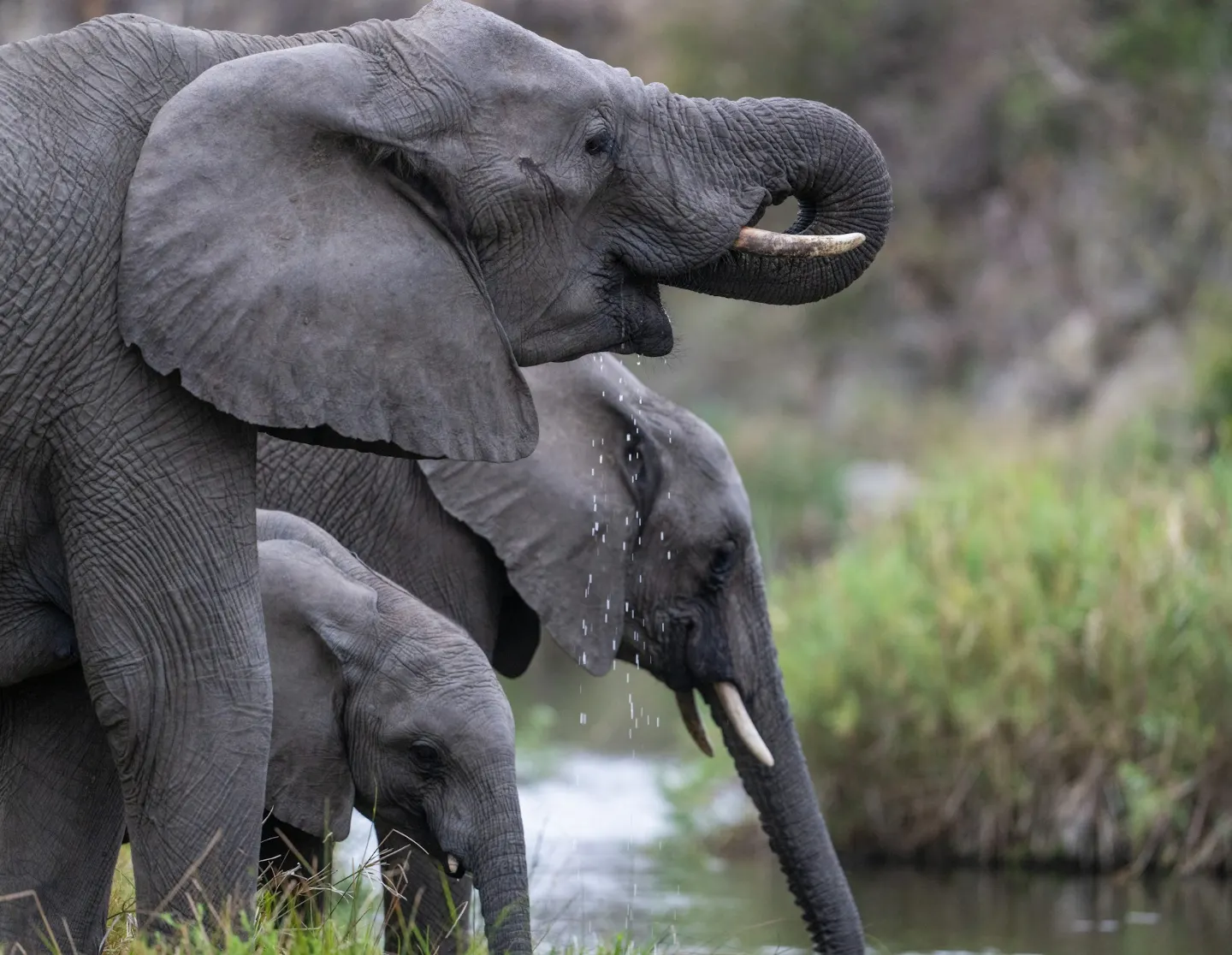
For large mammals around shrinking water sources, the drier months are a common choice. For lush scenery, birdlife and atmospheric clouds, the rainy season may be compelling. But photography is about far more than a season label: habitat, light, access routes, guide skill, the number of guests in a vehicle and patience matter too.
If you have a particular photographic ambition—wild dogs, elephants in water, birds in breeding plumage or a sunrise mokoro ride—ask operators which camps give the most suitable opportunity, without expecting guaranteed sightings.
A simple season-by-season decision guide
| Your priority | Start by considering | Keep in mind |
|---|---|---|
| Classic dry-season wildlife viewing | May–October | Popular periods can cost more |
| Cooler morning game drives | May–August | Early starts can be genuinely cold |
| Wildlife gathering near reliable water | September–October | Often hot |
| Birdlife, greenery and stormy skies | November–March | Rain and access vary |
| Mokoro and water-based activities | Camp-specific, often linked to seasonal flood | Ask about exact location and dates |
| Flexible dates and value | Shoulder/green-season quotations | Compare actual inclusions and restrictions |
Three questions to ask before choosing dates
First, which activities matter most to you: game drives, walking, boating or mokoro? Second, how comfortable are you with very hot days or cold mornings? Third, are you flexible enough to choose a camp based on its seasonal strengths rather than fitting a predetermined date?
The answers will help more than a generic “best time to go” chart.
Explore the Delta further
Our Complete Guide to the Okavango Delta introduces the destination. You can also compare Okavango and Chobe or review Okavango safari costs for 2027.
Seasonal patterns are guides, not guarantees. Flood timing, road conditions and activity availability should be confirmed with a local operator for your travel dates.
A little Africa in your inbox.
Get travel inspiration and marketplace launch news →