Okavango Delta vs Chobe: Which Safari Is Better?
Okavango Delta or Chobe National Park? Compare Botswana's iconic safari destinations, from wildlife and landscapes to activities, accessibility and the best time to visit.
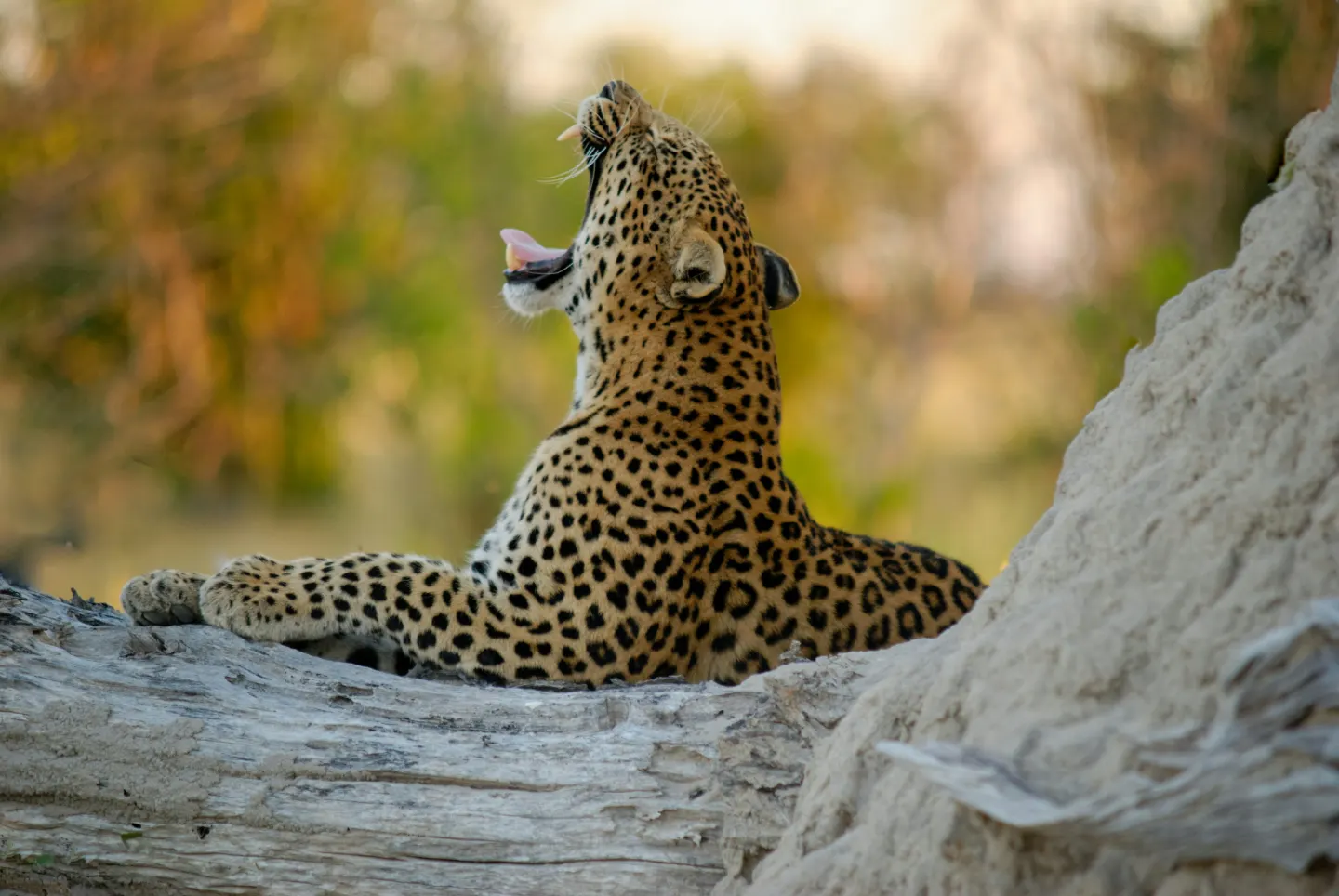
Okavango Delta vs Chobe: Which Botswana Safari Is Right for You?
Botswana's two famous safari names can sound interchangeable when you're planning from abroad. They are not. The Okavango Delta and Chobe offer different landscapes, activities and styles of travel—and many visitors find they complement each other beautifully.
Two exceptional wildlife destinations, two different experiences
The Okavango Delta is a changing mosaic of channels, islands, floodplains and woodland. Its character is shaped by a seasonal flood that arrives during the dry months. Chobe National Park is a large protected area with several distinct regions; its accessible Riverfront near Kasane is famous for elephants gathering along the Chobe River. UNESCO on the Okavango Delta and Botswana Tourism on Chobe provide useful geographic context.
Neither destination is automatically “better.” The most useful question is what you want your days on safari to feel like.
The Okavango Delta: Waterways, islands and a sense of remoteness
The Delta is particularly appealing if your dream includes a secluded camp, changing scenery and a mix of land and water-based exploration. Depending on location and water levels, activities may include guided drives, mokoro excursions, boating or walks.
Some experiences are reached by light aircraft, which adds both excitement and cost. Private concessions may offer a different set of permitted activities from national-park areas. When comparing camps, look at the actual concession and itinerary, not simply the word “Okavango” in the title.
For many travellers, the highlight is the atmosphere: being on a waterway at a quiet time of day, listening to birds and watching how the landscape changes from open floodplain to wooded island.
Chobe: Riverfront wildlife and impressive elephant gatherings
Chobe is much more than the Chobe Riverfront, but that area is a common first encounter with the park. Based around Kasane, it can offer a practical combination of game drives and river excursions. Botswana Tourism describes the Riverfront's famous dry-season elephant and buffalo concentrations. Botswana Tourism
A river cruise offers a different perspective from a vehicle. You may watch wildlife drinking, bathing or moving along the bank, while birds and smaller river creatures attract attention nearby. Sightings are never guaranteed, but the range of viewpoints can make a Chobe visit particularly memorable.
Chobe's other regions, including Savuti and Linyanti, have different habitats and access considerations. Don't assume a Kasane-based day trip represents the entire national park.
Which one is easier to visit?
For many international travellers, Chobe Riverfront itineraries based near Kasane are simpler to arrange by road than remote inner-Delta camps. Okavango trips commonly use Maun as a gateway, and some camps require additional aircraft or specialised transfers. That does not mean every Delta experience is fly-in only.
Check the real transfer schedule, luggage restrictions, vehicle time and any border crossings in your proposed itinerary. A short map distance in northern Botswana does not necessarily mean a straightforward journey.
Which is better for a first safari?
If you have limited time and enjoy the idea of both a game drive and a river outing, Chobe Riverfront may be an appealing introduction. If you're looking for a quieter, more immersive wilderness stay with several nights in one camp, the Okavango may suit you particularly well.
But this depends on your budget, the season, the camp and your preferred level of comfort. Guided mobile camping in the Okavango region can be very different from a high-end lodge itinerary, just as Chobe offers more than busy riverfront excursions.
What about price?
It's tempting to say “Chobe is cheap and the Okavango is expensive,” but that oversimplifies the options. Chobe has premium lodges and multi-day wilderness experiences. The Delta has a wide range of styles, though remote fly-in camps can carry substantial logistical costs.
Compare complete itineraries: lodging, activities, transfer flights, ground transfers, fees and meals. For a closer look at the variables, read What an Okavango Delta Safari Costs in 2027.
Can you combine Chobe and the Okavango Delta?
Yes, and it can be a wonderful way to experience two different sides of Botswana. For example, a trip could pair a few nights in a Delta camp with time near Kasane for the Chobe Riverfront. The exact order and transfers should be designed around flight routes, road conditions, travel dates and budget rather than a fixed internet template.
Combining destinations can also mean allowing a less hectic pace. Two well-chosen locations with time to enjoy them may be better than trying to visit every reserve in one week.
Quick comparison
| Consideration | Okavango Delta | Chobe Riverfront |
|---|---|---|
| Signature landscape | Wetlands, islands, floodplains | Riverbanks, woodland, floodplain |
| Common highlights | Immersive wilderness; camp-specific water/land activities | River cruises, game drives, elephant gatherings |
| Typical gateways | Often Maun, depending on camp | Often Kasane |
| Access | Some remote camps require aircraft | Riverfront options often road-accessible |
| Best for | Travellers seeking varied Delta environments and time in camp | Travellers wanting riverfront wildlife and flexible short stays |
The right choice is personal
Choose the Okavango if the rhythm of a remote wetland safari speaks to you. Choose Chobe if you want to experience wildlife along an iconic river. And if your itinerary allows, consider both—because contrasting landscapes are part of what makes Botswana special.
Start with the Complete Guide to the Okavango Delta, then explore when to visit before speaking to an operator.
A little Africa in your inbox.
Get travel inspiration and marketplace launch news →